
Lemurs
Mrs Glover and Miss Dymond (Class Teachers), Miss Bright (PPA cover) Mrs Johnston, Mrs Jackson and Miss Anderson (Teaching Assistants)
Our Gallery




This week in Lemurs Class: Week beginning 19th October 2026
Our first term in Year 1 has flown by!
It may only be a short week this week, before a well deserved holiday, but we still have lots of learning to pack in!
Here is Phonics Joe:

As authors we will be recapping all of the chapter 4a phonemes we have learnt this term and we will be reading and spelling words which contain these phonemes.

This week…
As authors, we will complete our prove it task by writing our own fact leaflets. We will include the common exception words we have learnt to spell, punctuate our sentences with capital letters and full stops and use ‘and’ to join words and clauses.
As mathematicians, we will exploring part whole models.
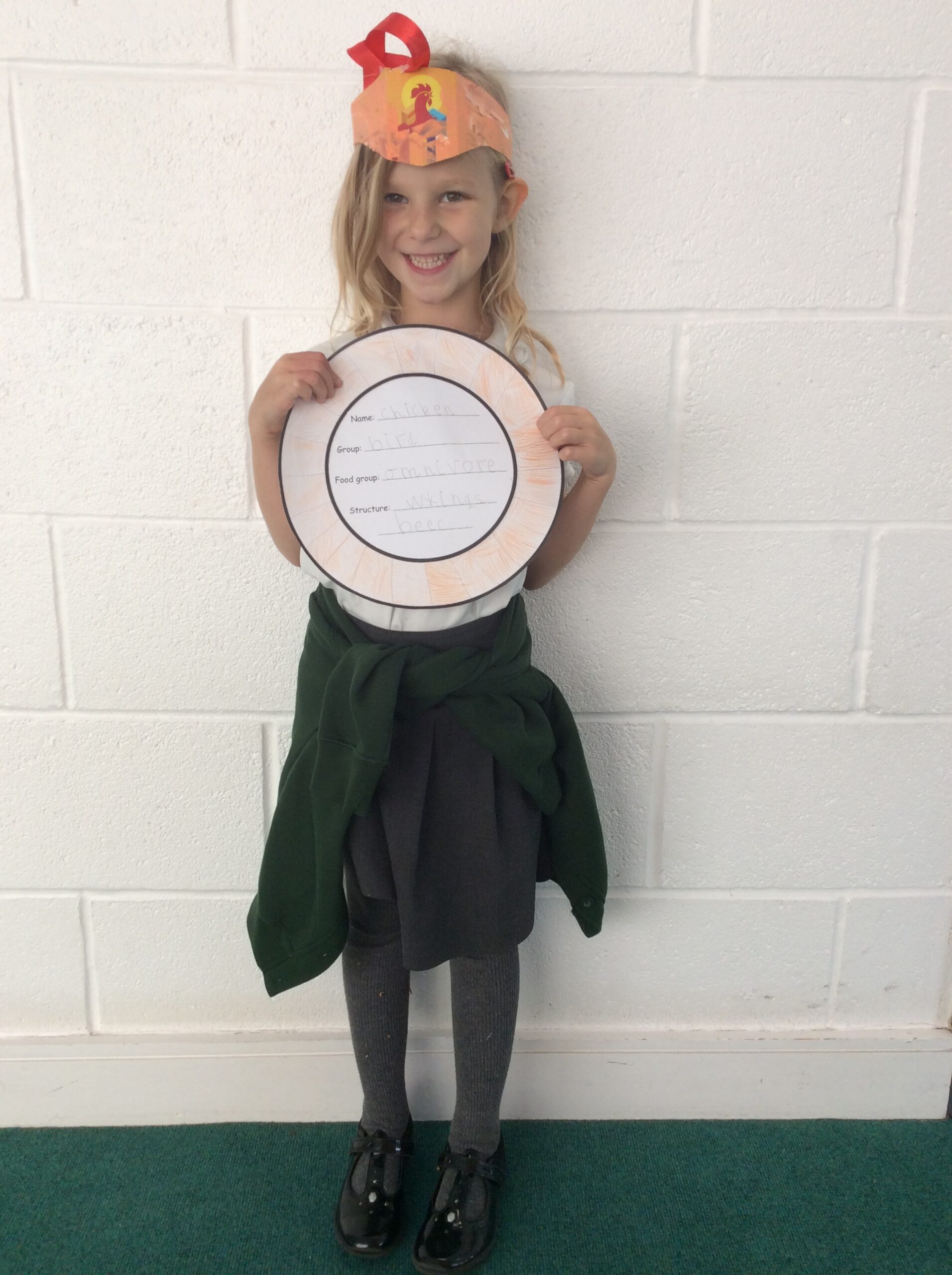
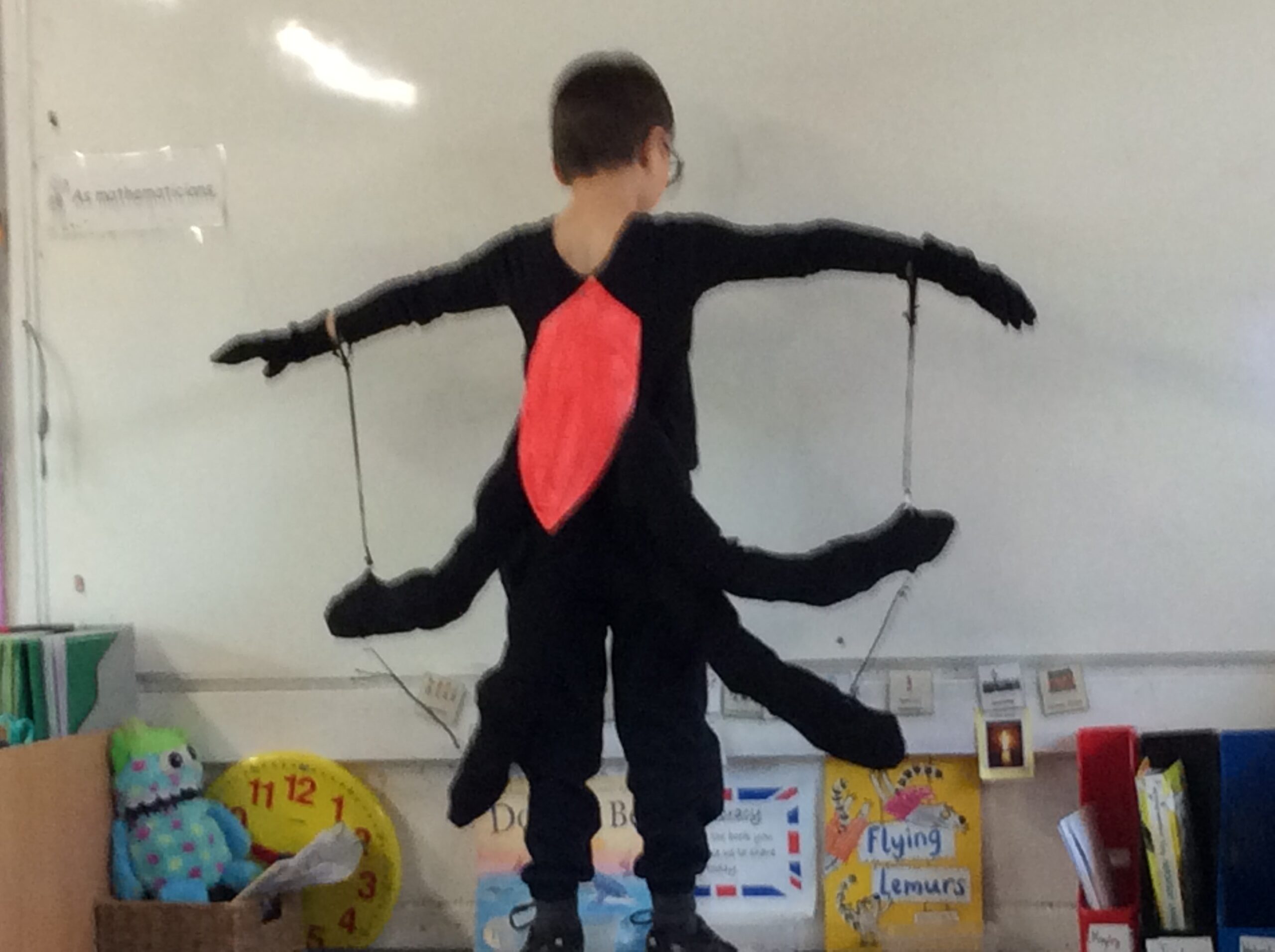
We will complete our enquiry challenge by dressing up as our favourite animal. We will make a badge to include the animal’s name, group, structure, what it eats and its pattern.
Our Year 4 buddies will be popping over to visit us so we can share our learning.
We will be sending home PE kits for a half term wash!
Our role play area is a vets.
Reading
Story Suitcases:

Each Friday, a pupil is chosen to take home a Story Suitcase. Inside the case, there is a story book, a book review notepad and a story prop. We ask that an adult read the story aloud to promote the love of reading. Children may enjoy using the prop to engage with the story while listening to it, or to re-enact it afterwards. We ask that the story suitcase is returned to school on Monday morning.
Book Changes:
Children will have books changed once a week on the following day:
Monday – Chestnuts
Tuesday – Limes
Wednesday – Oaks
Thursday – Sycamores
Reading for Pleasure:
In Year 1, we get to know the following books really well. We have a daily story vote to choose the book that is read to us!

Year 1 Enquiries
Our enquiry in Term 1 is ‘What are we?’ We will be scientist and artists.
Click here for a summary of our Autumn Term 1 learning.
Click here for an overview of enquiries in Year 1.
Pupil Voice
School Councillor: Iliana
Eco-Councillor: Otis
Celebration Assemblies
- Learner of the Week
- Birthdays
- Team Point Milestones
- Golden Mile
- Pen Licences
You are very welcome to join us for these assemblies in support of your child.
Maths Passports

We endeavour to check Maths Passports as often as possible.
On the Mathematics page, within the Curriculum menu, is a guide for parents to support the assessment of Maths Passport skills. Assessment tasks can also be downloaded and printed for use at home.
P.E
Our P.E days are Tuesdays and Wednesdays.
Home Learning
As well as reading, phonic flashcards, high frequency words (animal cards, to read and spell), maths passport activities and Numbots, we send home a home learning activity every other Wednesday. This will be emailed, added to our class page and posted on Tapestry.
Home Learning 7th October 2026
This week for home learning we have sent home in your maths passport packs a < (less than), > (greater than) and = (equals) symbol for you to practise using at home.
As mathematicians, we have been comparing groups of objects and numbers using these symbols. Try some of the following activities at home to practise this:
First watch this number blocks episode to recap the signs and talk to your child about them.
Numberblocks – Series 3: Blockzilla – BBC iPlayer
- If you see numbers around you in your environment (door numbers, speed limit signs, bus numbers etc) can you make the <, > or = sign with your arms to compare them.
- Grab two handfuls of lego bricks, dried pasta, raisins etc and count how many are in each group. Use the >, < or = symbols to compare the groups and talk about why you have chosen that symbol. For example in group 1 you have 10 bits of dried pasta and in group 2 you have 5 bits of pasta and so you would choose the > symbol because 10>5 (10 is greater than 5).
- Grab one handful of lego bricks, dried pasta, raisins etc and count them. Then choose either the >, < or = symbol and then make another group of objects to make the symbol correct. For example you grab 8 lego bricks and choose > so you will need a number less than 8 in your second group because you chose >.
- Ask your child to write 0-20 (extend this to 30-50 if your child seems confident up to 20) on some bits of paper and pick two numbers. Choose > or < to go between them and explain why you chose that symbol.
We love to see what you have been learning at home so please upload it to Tapestry so we can see and we will award one team point for any home learning shared with us!
Many thanks
Year 1 Team
Home Learning 23rd September 2026
- Say aloud a number from 0-30 (start up to 10, then 20 and 30 then beyond if appropriate). Ask your child to find it, on the number track and then the number which is one more/one less than your number. Can they collect one more/ one less of a number of objects like Lego bricks/toys/dried pasta etc.
- Ask your child to choose a number, from the number track, and you tell them a number that is one more/one less than their number. Try getting it wrong ‘accidentally on purpose’ to see if your child notices and corrects you! Make sure you own up and explain your ‘mistake’ if they don’t notice!
- If you are feeling energetic, can you give your child a number and get them to do 1 more/1 less than this number, of jumps, hops, star jumps, laps of the garden!
- You may like to record number sentences to represent 1 more/1 less than a given number using the symbols +, – and =. Can your child record any of their 1 more/1 less challenges above?
Thanks,
Supporting your Child at Home
For games and activities to support phonics, reading, maths and the wider curriculum